
Florida’s storm season doesn’t wait for anyone—and neither should you. Every year, hurricanes and strong winds sweep through Keystone, knocking over trees, snapping branches, and leaving costly damage in their wake. But here’s the good news: with the right care and preparation, your trees can weather the storm—literally.
If you’ve ever wondered what it takes to storm-proof your yard, you’re not alone. Many homeowners are now focusing on preparing trees for storm season in Keystone to protect both their property and their peace of mind. The good news? You don’t need to be an arborist to take the right steps—just a bit of guidance and timely action can go a long way.
Let’s walk through practical, no-nonsense steps to help your trees survive the storm—and come out stronger on the other side.
Why Tree Preparation Matters Before a Storm
When hurricane winds howl through your yard, trees are often the first to take a hit. Weak limbs can turn into flying debris. Uprooted trees can crash through roofs or bring down power lines. And that’s just the beginning.
Storm-damaged trees don’t just cost money—they can also become safety hazards. Insurance claims get messy, especially if it turns out the damage could’ve been prevented with proper maintenance. Preparing ahead of time gives you peace of mind and reduces your liability as a homeowner.
Identifying High-Risk Trees and Limbs
Not all trees are equal when it comes to storm survival. Some are more brittle, top-heavy, or prone to disease. Start by checking your yard for these warning signs:
- Dead or hanging branches
- Trees leaning at odd angles
- Cracks in the trunk or between limbs
- Mushrooms or decay near the base (a sign of root rot)
- Shallow roots in sandy soil
Species like laurel oak, sand pine, and water oak are known to be more vulnerable in Florida’s storms. These trees may look healthy on the surface but have weak wood or shallow roots that make them high-risk when wind speeds rise.
Don’t wait for a limb to fall. A professional inspection can pinpoint which trees need attention before they become dangerous.
Tree Trimming & Pruning for Storm Safety
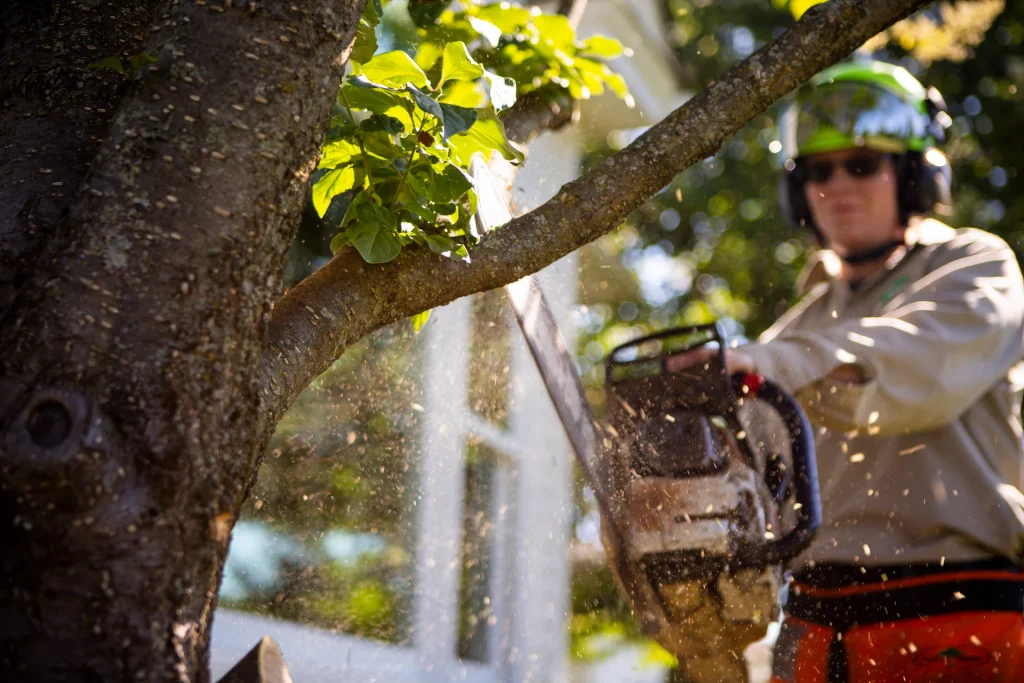
Pruning isn’t just about making your trees look good. It’s a strategic way to reduce wind resistance and prevent branches from snapping under pressure. When done correctly, trimming helps trees grow stronger and stay balanced.
Here’s what to focus on:
- Thin the canopy to allow wind to pass through
- Remove dead, damaged, or crossing limbs
- Cut back overextended branches near your home or power lines
- Avoid topping, which weakens the structure of the tree
Improper pruning—or trimming too late in the season—can actually make things worse. The best time for storm prep pruning is during the dry months, ideally well before hurricane season kicks off in June.
Tree Support Systems: Cabling and Bracing
Some trees don’t need removal—they just need a little help. Cabling and bracing are structural supports installed by arborists to stabilize weak limbs or multiple trunks.
This is especially helpful for:
- Large trees with co-dominant stems
- Trees with heavy canopies prone to splitting
- Mature trees with sentimental or landscape value
High-tensile cables are placed high in the canopy to redistribute stress during high winds, while bracing rods can prevent trunks from splitting. These solutions help reduce storm-related failures while preserving the tree.
Emergency Storm Prep Tips for Homeowners
In the days before a storm, quick action can make a big difference. Use this checklist to get your yard storm-ready:
- Clear out dead limbs and yard debris
- Tie down or move outdoor furniture
- Cut back branches hanging over roofs or power lines
- Ensure your gutters and drains are clear
- Inspect tree stakes and remove any that are loose or damaged
If you’re not sure whether a tree is safe, don’t risk it. Calling a certified arborist could save you from major trouble later.
What to Do After the Storm Passes
Once the skies clear, resist the urge to grab a chainsaw right away. Storm-damaged trees can be unpredictable—and dangerous. Here’s what to do:
- Survey your yard for hanging limbs (widowmakers)
- Check trees for uprooting or leaning
- Look for cracked trunks or split branches
- Avoid walking under damaged canopies
If a tree is beyond saving, it’s best to have it professionally removed. Even trees that look okay might have internal damage that puts them at risk later on.
Why Work With a Certified Arborist in Keystone, FL
Storm prep isn’t a one-size-fits-all job. Trees in Keystone grow in sandy soils, face salt-laden winds, and have unique stress factors. A certified arborist understands the local climate, native species, and structural weaknesses that matter most during a storm.
They can:
- Spot hidden signs of disease or instability
- Recommend species-specific pruning strategies
- Install professional-grade cables and braces
- Provide emergency cleanup and hazard removal
Tree work is dangerous—especially in storm conditions. Always hire someone with the experience, equipment, and insurance to get the job done safely
Final Thoughts
Tree preparation isn’t just about avoiding damage—it’s about building resilience. Healthy, well-maintained trees not only survive storms better but thrive long after they’ve passed.
If you’re in the Keystone area, don’t wait until the winds start to blow. Take action now to protect your home, your family, and the beautiful trees that make your landscape unique.
📞 Ready for a tree inspection or storm prep consultation? Visit our page on preparing trees for storm season in Keystone to learn how we can help you stay safe and storm-ready.
