
Pests can pose significant challenges in maintaining a clean and safe home environment. From insects like ants and cockroaches to rodents such as mice and rats, these unwelcome guests can cause damage to property, spread diseases, and create discomfort for homeowners. Effective pest control is essential to ensure that homes remain hygienic and free from infestations. By adopting the right strategies, it is possible to prevent pests from entering the home and eliminate those that have already made their way inside. A combination of preventive measures and targeted treatments is the key to long-term pest control success. One of the most effective ways to control pests is through cleanliness and proper hygiene. Pests are attracted to food crumbs, spills, and unsealed food containers, making kitchens and dining areas prime targets. Regularly cleaning countertops, sweeping floors, and disposing of garbage promptly can significantly reduce the chances of attracting pests.
Storing food in airtight containers and fixing any leaks that provide moisture for pests also play a crucial role in keeping them away. A well-maintained home is less likely to provide the conditions that pests need to thrive. Sealing entry points is another essential step in pest control. Many pests enter homes through small cracks, gaps in doors and windows, and openings in walls or floors. Conducting regular inspections and sealing these entry points with caulk, weather stripping, or other materials can prevent insects and rodents from finding their way indoors. Window screens, door sweeps, and mesh covers for vents and drains are additional barriers that help block pest access. By reducing their opportunities to enter, homeowners can minimize the risk of infestation. Proper waste management is crucial in keeping pests at bay. Garbage bins should have tightly sealed lids to prevent pests from scavenging for food.
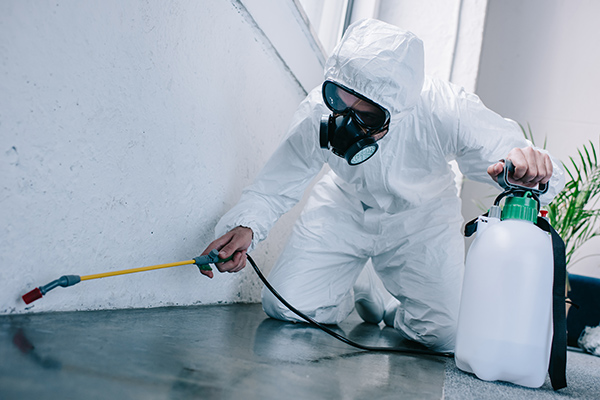
Composting should be done in closed containers to avoid attracting insects and rodents. Outdoor trash areas should be kept clean, and waste should be disposed of regularly. Additionally, pet food should not be left out for extended periods, as it can attract ants, rodents, and other PestFreeMike. Keeping living spaces free from clutter also eliminates potential hiding spots for pests, making it easier to detect and address infestations early. Natural and chemical control methods can be used to address existing pest problems. Natural remedies such as essential oils, diatomaceous earth, and homemade traps can help deter pests without harmful side effects. In cases of severe infestations, chemical solutions such as insecticides and rodenticides may be necessary. However, these should be used carefully and in accordance with safety guidelines to prevent harm to pets, children, and the environment. The right approach depends on the type of pest and the severity of the problem.
