
In modern industrial environments, precision and clarity in electrical and mechanical documentation play a vital role in ensuring safe operations. One often overlooked yet essential aspect is the accurate use of limit switch symbols in schematics and diagrams. Proper incorporation of these symbols not only improves understanding but also strengthens system safety compliance across various applications.
Why Limit Switch Symbols Matter in Safety Systems
Limit switches are critical components used to detect the presence, position, or movement of objects. Their symbols in diagrams serve as a universal language for engineers, technicians, and maintenance teams.
- Ensure clear communication across multidisciplinary teams
- Reduce ambiguity in circuit interpretation
- Support consistent system design and implementation
- Help meet regulatory and safety standards
Accurate representation eliminates confusion, making it easier to identify how and where safety mechanisms are integrated within a system.
Enhancing Compliance Through Accurate Representation
Safety compliance depends heavily on how well a system aligns with established standards and protocols. Correct use of limit switch symbols contributes significantly to this alignment.
- Enables precise documentation required for audits and inspections
- Assists in verifying correct placement of safety devices
- Supports adherence to industrial safety guidelines
- Minimizes risk of design errors that could compromise safety
When diagrams clearly reflect actual system behavior, compliance becomes easier to achieve and maintain.
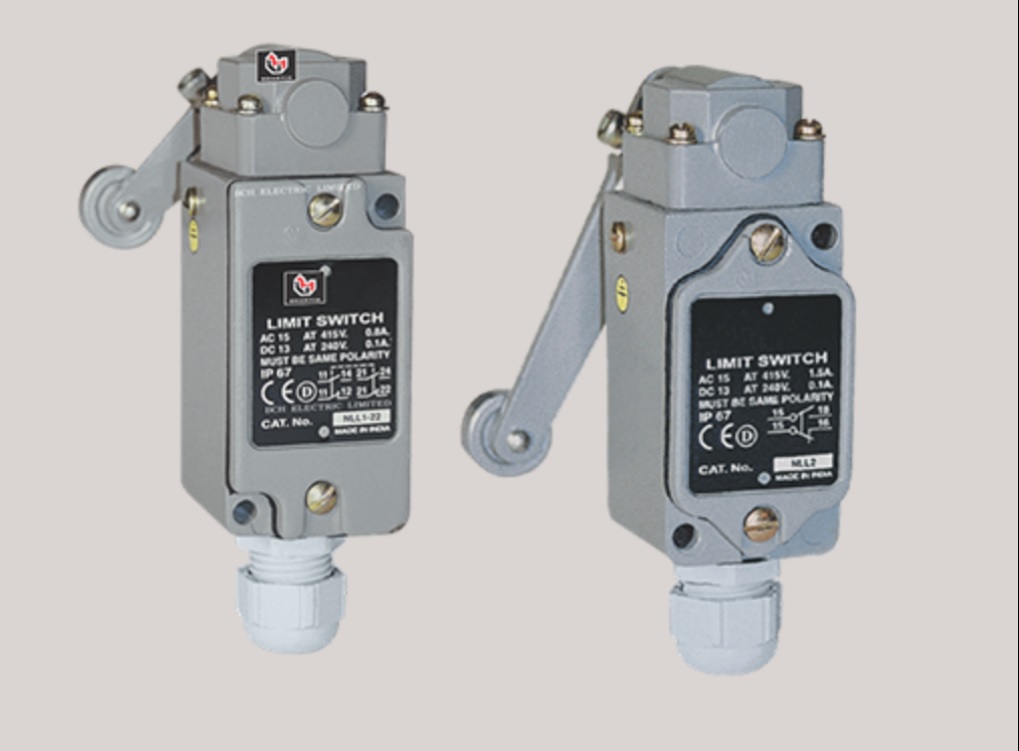
Reducing Risks and Improving Reliability
Incorporating limit switch symbols accurately directly impacts system reliability and risk management. Misinterpretation of symbols can lead to improper installations or unsafe operations.
- Prevents incorrect wiring and configuration
- Reduces chances of equipment malfunction
- Enhances fault detection and troubleshooting
- Promotes safer working conditions for personnel
Clear schematics act as a reliable reference point, ensuring that safety features function exactly as intended.
Supporting Efficient Maintenance and Inspections
Maintenance teams rely heavily on diagrams to perform inspections and repairs. Accurate limit switch symbols simplify their tasks and improve efficiency.
- Enable quick identification of safety components
- Reduce downtime during troubleshooting
- Improve accuracy in maintenance procedures
- Facilitate faster system upgrades and modifications
Well-documented systems allow technicians to work confidently, minimizing errors and ensuring ongoing compliance. A detailed limit switch diagram improves maintenance efficiency.
Best Practices for Accurate Symbol Incorporation
To maximize the benefits of limit switch symbols, adopting best practices is essential.
- Use standardized symbols recognized across the industry
- Maintain consistency throughout all diagrams
- Clearly label components and connections
- Regularly update documentation to reflect system changes
These practices ensure that diagrams remain reliable, relevant, and easy to interpret.
Building a Culture of Safety and Precision
Accurate incorporation of limit switch symbols goes beyond technical correctness it reflects a commitment to safety and quality. Organizations that prioritize clear and standardized documentation create a safer and more efficient working environment.
- Encourage continuous learning and skill development
- Promote attention to detail in design processes
- Strengthen overall system integrity
- Foster confidence among engineering and maintenance teams
Conclusion
Incorporating limit switch symbols accurately is a powerful step toward achieving robust system safety compliance. From improving clarity in design to supporting efficient maintenance and reducing risks, the benefits are far-reaching. By emphasizing precision and standardization, industries can ensure safer operations, enhanced reliability, and long-term success.
