
Choosing the right materials for line marking is not just a box to tick it is the key to durability and safety. Sure, water-based paints are convenient if you need something quick, but are they really up for the job in a high-traffic or outdoor spot? Let’s dig into how you can make sure your markings last and keep things safe.
What Are Your Options?
A Quick Rundown of Line Marking Materials
Let’s start with the basics. Not all line marking materials are created equal. Here is a quick cheat sheet:
- Water-Based Paints
- Pros: Easy to apply, dries fast, eco-friendly.
- Cons: Not the best for busy areas or rough weather think of them as the temporary fix.
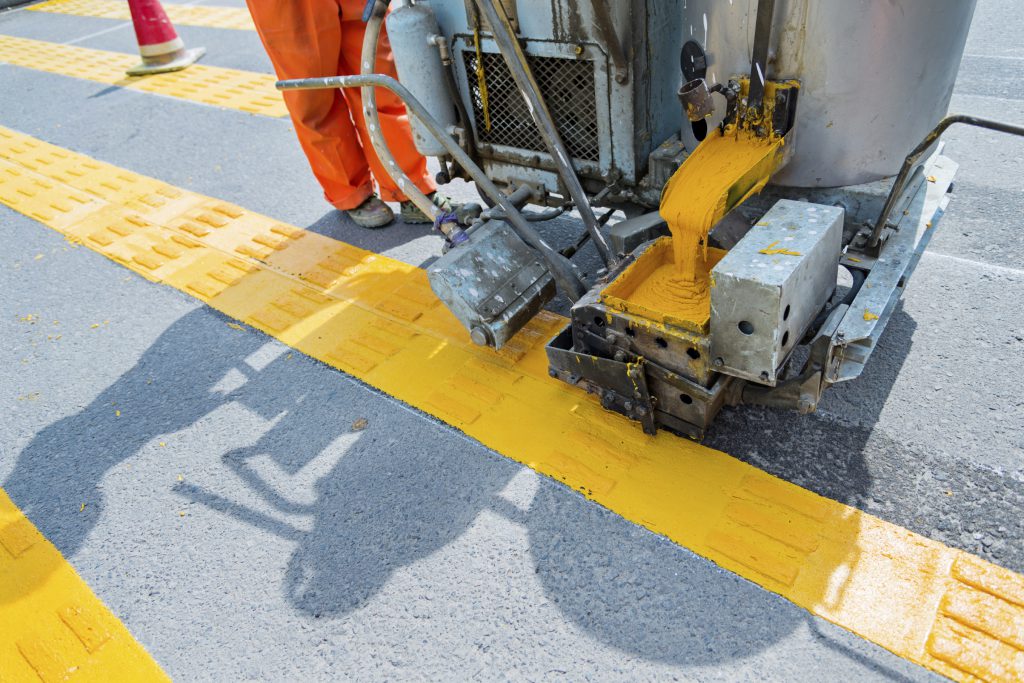
- Thermoplastic
- Pros: Super durable, reflective, and built to last. Perfect for roads and parking lots.
- Cons: Needs to be applied hot special equipment required, but the longevity pays off.
Key tip:
If you are marking something for the long haul like a busy parking lot, thermoplastic is usually the way to go. If you are doing something short-term, water-based works just fine. If you need professional help, check out line marking in Wollongong for reliable and durable results.
What Impacts How Long Your Lines Last?
It is not just about the paint. Here are a few things you need to think about:
- Surface Texture: Is your surface smooth, rough, or somewhere in between?
- Weather: Sun, rain, snow they all take a toll.
- Traffic: More cars or feet = more wear and tear.
- Material Quality: High-quality binders and pigments make a big difference.
- Tested Performance: Has the material been tested for abrasion, UV exposure, and sticking power?
Bottom line: Check performance reviews and test results before you buy. You will thank yourself later.
Do not Ignore the Weather
Environmental factors can make or break your markings. Here is how:
Temperature Swings
- Extreme heat or cold can mess with how well markings stick.
- Look for materials that stay strong even when the thermometer jumps around.
Moisture
- Humidity, rain, or even morning dew can weaken adhesion.
- Choose water-resistant materials for outdoor jobs.
Sunlight
- UV rays can make markings fade faster.
- Opt for UV-stable paints or thermoplastics if your lines are going to bake in the sun.
Pro tip:
Always check how your chosen material holds up under the worst local weather.
Safety First And Do not Forget the Rules
It is not just about the lines. It is about keeping people safe and following the rules.
Regulatory Compliance Checklist:
- Are your materials up-to-date with local regulations?
- Do they pass tests for things like VOC emissions and non-toxicity?
- Got documentation from the manufacturer? Keep it handy!
Handling Materials Safely:
- Store everything properly no leaks, no contamination.
- Use the right containers and follow the handling instructions.
- Label everything and keep incompatible materials apart.
Safety Gear:
- Always wear your PPE: gloves, masks, goggles, and high-vis clothing.
- Make sure you and your team are trained in safe handling.
Is It Worth Paying More Upfront?
Maybe those bargain paints look tempting, but think about the long run:
- Cheap Paint = More Frequent Repainting: More work, more downtime, and more money spent over time.
- Quality Materials Last Longer: Less maintenance, fewer touch-ups, better for your budget in the long run.
Quick tip:
Do a simple cost analysis: Initial price vs. expected lifespan and reapplication costs. You might be surprised at the savings with better materials.
How to Get the Best Results: Application & Maintenance Tips
Here is how to make sure your markings go the distance:
- Prep the Surface: Clean and prime before you start.
- Apply Properly: Use the right equipment and stick to recommended thickness.
- Check the Weather: Avoid extreme temps or high humidity on application day.
- Inspect Regularly: Look out for fading or damage and fix issues early.
- Clean Before Repainting: Dirt and grime can ruin adhesion.
Remember: A little extra care at the start and regular check-ins can save you a lot of hassle down the road.
The Takeaway
The right materials and a bit of planning mean longer-lasting, safer, and more cost-effective line markings. Do not just go for what is easiest or cheapest. Consider your environment, traffic, and local rules. And do not forget regular checks and maintenance! Have questions or want help picking the best line marking material for your job? Reach out we are here to help!
